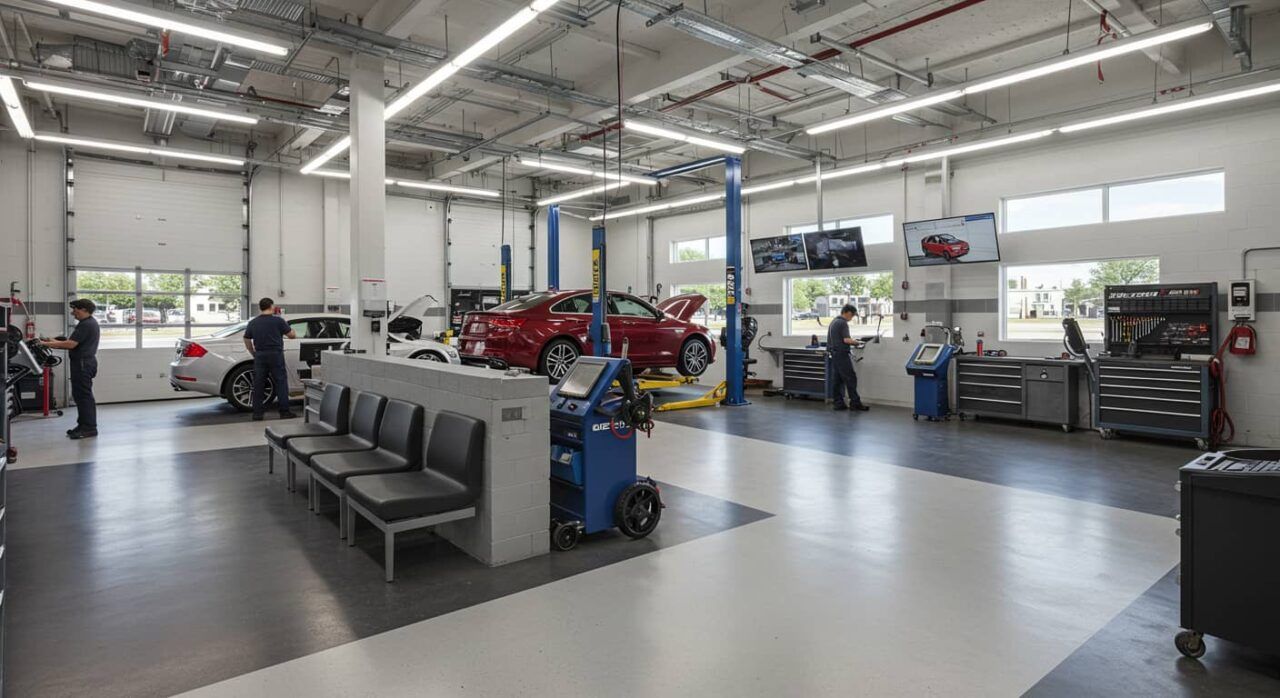
An organized mechanic shop isn’t just about looking good; it directly impacts efficiency, safety, profitability, and customer satisfaction. Whether you’re managing a small garage or a high-volume automotive repair center, implementing smart organizational strategies will streamline operations and eliminate wasted time, space, and effort.
This guide outlines the best mechanic shop organization ideas to help you build a workspace that’s clean, functional, and optimized for productivity. From layout planning to inventory systems, every section is tailored to show you exactly how to increase shop efficiency and run a more professional, profitable garage.
1. Start with a Purposeful Shop Layout
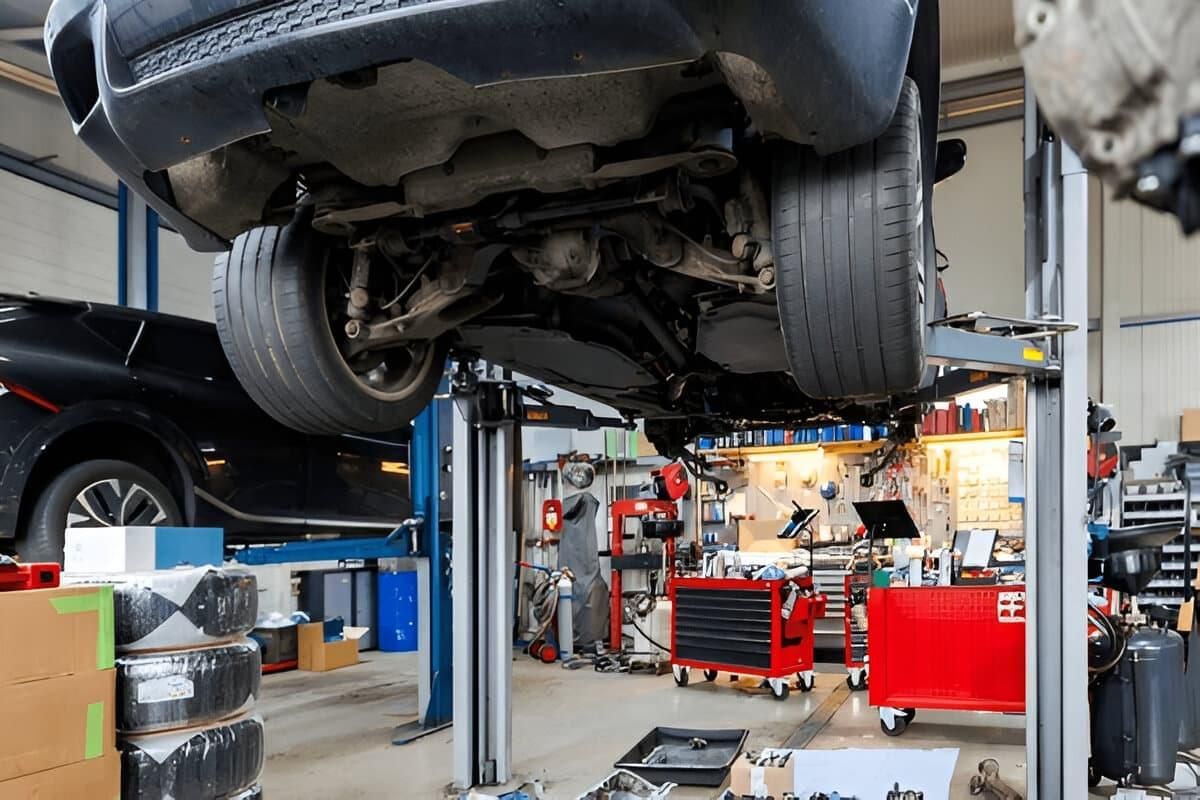
The foundation of any efficient garage is its physical layout. A poorly arranged shop leads to wasted movement, cluttered tools, and increased risk of accidents. One of the most important auto shop organization principles is designing your layout around workflow; cars should flow in and out with minimal disruption.
Divide the shop into clear zones for different types of work: diagnostics, mechanical repairs, electrical work, tire service, etc. This zoning minimizes equipment duplication and allows mechanics to focus on tasks without interference. Place high-traffic equipment such as lifts, compressors, and alignment racks where they are easily accessible without obstructing movement.
Don’t overlook safety when planning your space. Ensure that fire extinguishers, first aid kits, and emergency exits are visible and accessible. Leave enough clearance around each vehicle bay and tool station so technicians can work comfortably and safely without tripping over cords or containers.
2. Implement Vertical Storage Systems
One of the most underutilized areas in many mechanic shops is vertical wall space. Tools, parts, and consumables often pile up on workbenches and floors, creating chaos and inefficiency. Utilizing walls for organized storage can free up valuable floor space and speed up job completion times.
Install heavy-duty wall-mounted shelving, pegboards, and magnetic tool strips. These allow technicians to keep frequently used items within arm’s reach while reducing clutter. For heavier tools or bins, consider vertical rolling racks or wall-mounted cabinets with lockable doors for security.
Organize tools and supplies by type and frequency of use. High-use items should be positioned at eye level and near key workstations. Less frequently used tools can be stored higher or lower. Label every section to reduce confusion and prevent wasted time searching for the right wrench or socket set.
3. Use Color Coding and Labeling Systems
Clarity is key in any productive shop environment. One of the simplest yet most effective mechanic shop organization ideas is to implement a consistent color-coding and labeling system across your tools, bins, parts shelves, and maintenance equipment.
Assign colors to specific categories, like red for electrical tools, blue for diagnostic equipment, yellow for safety gear, etc. Matching toolboxes or storage bins with these color codes makes it easy to maintain consistency and locate items quickly. For parts inventory, consider color-coded shelving for parts by vehicle make or repair type.
Clear, legible labels should be applied to all drawers, bins, and shelves. Use waterproof label printers or engraving tools to create long-lasting identification. QR codes are another excellent addition, especially for inventory systems, allowing your team to scan for part numbers, reorder links, or maintenance logs using a mobile app.
4. Standardize Tool and Equipment Placement
Tool sharing and hot-swapping are common in busy shops, but without a standardized storage system, tools often go missing or get misplaced. Creating a uniform storage plan for common tools ensures that every technician knows where to find what they need and where to return it.
Designate a home for every tool, whether it’s in a toolbox drawer, a wall mount, or a tool cart. Shadow boards, tool storage boards with outlined shapes, are highly effective for visual organization. When a tool is missing, it’s instantly obvious.
Standardizing tool storage also reduces onboarding time for new hires. Instead of learning where each technician stores their own tools, new team members can step in and start working efficiently with minimal guidance. Over time, this consistency improves both workflow and accountability.
5. Streamline Parts Inventory Management
Disorganized parts inventory leads to lost time, incorrect orders, and unnecessary expenses. A well-managed inventory system is essential for maximizing productivity and minimizing overhead in your garage. Keeping track of your parts stock can significantly impact both workflow and customer satisfaction.
Start by categorizing inventory by part type, manufacturer, or vehicle application. Use open shelving, labeled bins, or drawer cabinets to store small parts in an organized manner. For larger items like bumpers or transmissions, consider pallet racking or floor-level storage zones with labels and scanable inventory tags.
Inventory management software can dramatically improve control over ordering and usage. With barcode scanning and real-time stock tracking, you can monitor turnover rates, set low-stock alerts, and reorder critical parts automatically. This ensures you never delay a repair due to missing components.
6. Create Efficient Workstations
Workstations are the nerve centers of any mechanic’s productivity. A poorly organized workstation forces technicians to move between benches, carts, or toolboxes to complete simple tasks, which disrupts focus and extends job times. Creating efficient, compact workstations is essential for optimizing each technician’s output.
Each bay or station should include a dedicated workbench, basic diagnostic tools, PPE, a trash bin, and access to compressed air or power if needed. Keep consumables such as rags, gloves, lubricants, and fasteners within easy reach. Modular workstations with customizable drawers and surface areas are especially useful for shops with specialized service areas.
Ensure that every technician has what they need to complete most tasks without leaving their bay. This doesn’t just save time, it also helps reduce shop congestion and increases safety. Monitor how each bay is being used and refine your workstation design over time based on technician feedback.
7. Prioritize Cleanliness and Daily Maintenance Routines
Cleanliness is often overlooked in busy auto shops, but a clean workspace is critical for safety, professionalism, and performance. Dirty floors, greasy surfaces, and scattered debris create hazards that slow down work and reflect poorly on your brand.
Implement daily cleaning routines for technicians and staff. Assign specific responsibilities at the end of each shift, such as wiping down benches, disposing of fluids, organizing tools, or sweeping floors. Create a daily checklist that team members can complete and sign off on to promote accountability.
Encourage a “clean as you go” mindset. Make cleaning supplies easily accessible, and set up disposal stations for used oil, filters, tires, and rags. Investing in a professional-grade vacuum or fluid extractor can also make cleanup more efficient. A clean shop leaves a better impression on walk-in customers and boosts employee morale.
8. Improve Communication and Job Tracking Systems
Efficient operations require more than just tools and space; they require seamless communication. Breakdowns in job status updates, miscommunication between the front desk and technicians, or lost work orders can result in costly delays. Integrating a job tracking system helps maintain organization from intake to invoice.
Use digital shop management software to assign tasks, track job progress, and store service history. These tools allow technicians to see upcoming jobs, check notes, and input real-time updates. Front office staff can track vehicle status and notify customers without walking back to the service bay.
Incorporate a visible job board in the shop or break room for quick updates. Use color-coded tags or magnetic job cards to prioritize vehicles and communicate repair stages. When everyone on your team has access to the same information, operations become smoother, faster, and more accurate.
9. Dedicate Areas for Special Equipment and Diagnostics
Specialized tools, such as alignment machines, battery testers, and scan tools, often get shuffled between bays, leading to wear, misplacement, or delays. Create designated areas in your shop for diagnostic work and specialized tasks to protect this equipment and keep it organized.
Design a diagnostics corner or mobile workstation with all required tools, software, and adapters. Include power outlets, secure tool storage, and a clean, well-lit surface for electronics. Limit access to this area to reduce clutter and prevent unnecessary use of expensive equipment.
Clearly labeling this zone and training staff to return all tools after use ensures availability for the next technician. Over time, this consistency preserves the life of your diagnostic gear and reduces time spent searching or recalibrating tools.
10. Continuously Review and Refine Shop Processes
Organization is not a one-time event; it’s an ongoing process that evolves with your business. As you grow, take time to assess what’s working, what isn’t, and where efficiency can improve. A quarterly review of your garage setup can prevent bottlenecks from forming over time.
Meet with your team regularly to gather feedback on workspace layout, tool access, communication, and inventory flow. Encourage suggestions and empower employees to propose improvements. Sometimes, a small change, like moving a shared tool or reorganizing a cart, can save hours each week.
Track metrics such as average job time, technician idle time, and tool loss rates to see the direct impact of organizational improvements. When you treat organization as a performance driver, not just a visual improvement, you set your shop up for long-term success.
Conclusion
A clean, organized, and efficient garage is more than just a nice-to-have; it’s a competitive advantage. These mechanic shop organization ideas help you reduce waste, improve safety, boost productivity, and deliver better customer experiences. By structuring your space, tools, and team processes with intention, you create a workspace that enables growth.
Whether you’re setting up a new facility or improving an existing one, apply these auto shop organization strategies to create a garage that runs like a well-oiled machine. And remember, learning how to increase shop efficiency is a continuous journey. The more intentional you are today, the more profitable you’ll be tomorrow.
FAQs