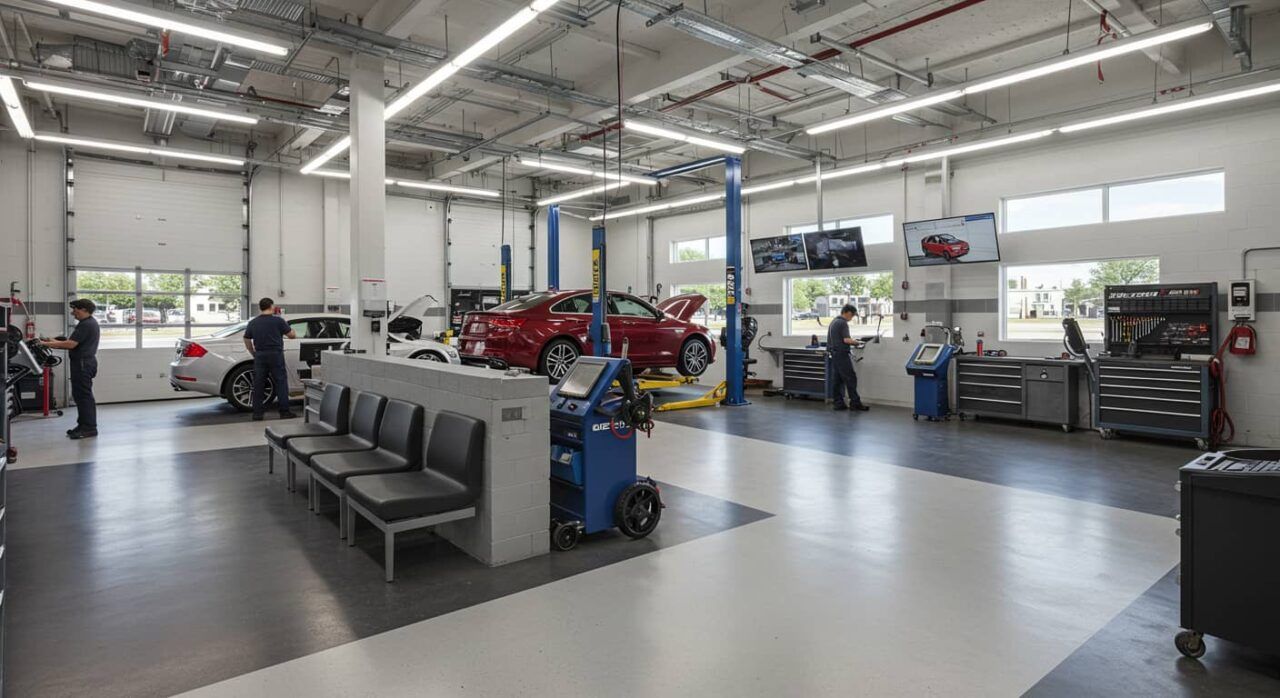
The automotive repair industry has long been a vital part of the global economy, providing essential services that keep vehicles safe, efficient, and reliable. As car ownership continues to grow worldwide, demand for repair and maintenance services remains strong. The automotive repair industry encompasses a wide range of activities, from routine oil changes and tire replacements to advanced diagnostics and complex engine repairs. Its scope is vast, supporting both individual drivers and commercial fleets that rely on vehicles daily.
The future of the automotive repair industry will be defined by adaptation. Businesses that embrace change and invest in innovation are likely to thrive, while those that resist modernization may struggle to keep pace. Understanding key trends helps shop owners, suppliers, and consumers anticipate where the sector is heading. This blog examines the most significant developments and their implications for the future of the automotive repair industry.
Rising Influence of Technology in Vehicle Repairs
Technology is perhaps the most disruptive force shaping the automotive repair industry today. Vehicles are no longer purely mechanical machines; they are advanced computers on wheels. Modern cars come equipped with dozens of sensors, electronic control units, and integrated software systems that require specialized knowledge for diagnosis and repair.
One of the most notable changes is the reliance on On-Board Diagnostics systems. These provide real-time data on a vehicle’s performance and alert drivers to potential issues. Repair shops must now utilize advanced diagnostic scanners and software to accurately interpret error codes and identify the underlying issues. This has elevated the role of technology in repair centers and created opportunities for shops that invest in digital tools.
Another significant trend is the rise of Electric Vehicles (EVs) and Hybrid Vehicles. Unlike traditional combustion engines, EVs require a different set of repair skills, particularly around battery systems, power electronics, and charging infrastructure. While EVs generally require less routine maintenance, they demand highly specialized services when issues arise. This shift will inevitably change the demand profile for repair shops in the coming decade.
Technology is also enhancing the customer experience. Many repair businesses now use apps or cloud-based systems to manage appointments, provide status updates, and send automated reminders. This digitalization improves efficiency and customer satisfaction, reinforcing the competitive advantage of tech-enabled businesses.
Ultimately, shops that adopt advanced technology position themselves for long-term growth. The future of the automotive repair industry’s success will hinge on balancing traditional skills with new digital capabilities.
Workforce Development and Training
The success of the automotive repair industry depends heavily on the skills and expertise of its workforce. As vehicles become more technologically advanced, the demand for highly trained technicians grows. However, the industry faces a significant challenge: a shortage of skilled labor.
Many experienced mechanics are reaching retirement age, leaving gaps that younger generations must fill. At the same time, the complexity of modern vehicles requires more advanced training than ever before. This mismatch has created an urgent need for vocational education programs, apprenticeships, and ongoing professional development.
Repair businesses are partnering with technical schools and certification organizations to build a pipeline of qualified talent. Programs like ASE (Automotive Service Excellence) certification help standardize skills and assure customers of quality service. Additionally, manufacturers are offering brand-specific training to ensure technicians can handle their latest vehicle technologies.
Workforce diversity is another emerging trend. Historically, the automotive repair field has been male-dominated, but more women and minority groups are entering the industry. Encouraging this diversity expands the talent pool and brings fresh perspectives into repair businesses.
The future of the automotive repair industry workforce development will hinge on education, mentorship, and lifelong learning. Shops that invest in their employees’ skills are better positioned to provide high-quality service and maintain long-term customer loyalty.
Changing Consumer Expectations
Consumer behavior is evolving rapidly, and the automotive repair industry must adjust accordingly. Today’s customers expect more than just reliable repairs; they want convenience, transparency, and personalized service.
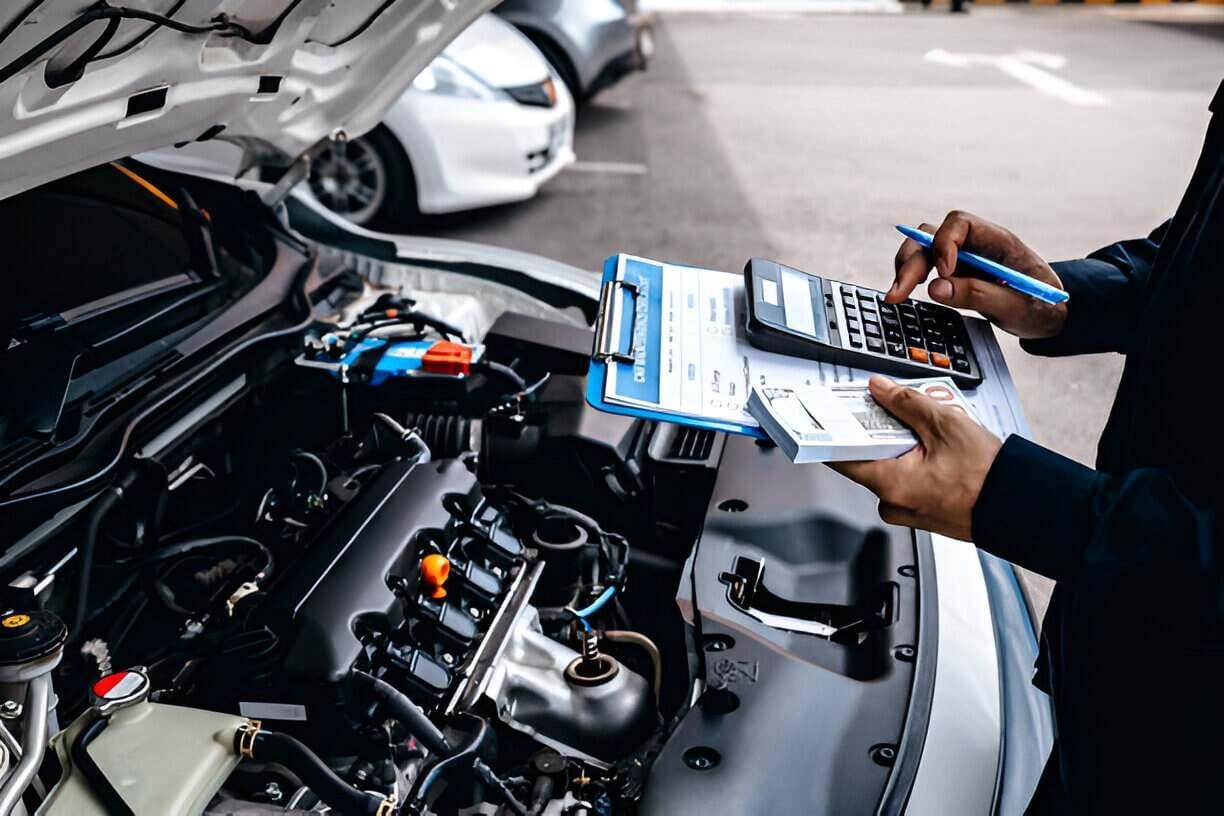
One of the most significant shifts is the demand for digital interaction. Customers prefer to book appointments online, receive updates via text or app notifications, and pay electronically. Shops that still rely solely on phone calls or paper invoices risk alienating tech-savvy consumers who value speed and efficiency.
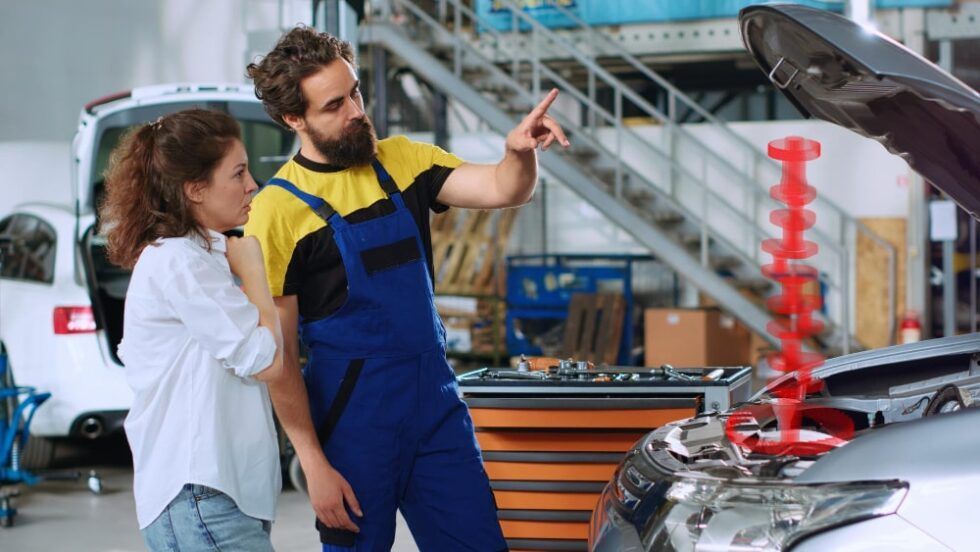
Transparency is another key factor. Modern consumers want detailed estimates, explanations of required repairs, and clear timelines before authorizing work. This has led many businesses to adopt digital inspection reports that include photos and videos of damaged parts. Such practices build trust and reduce disputes, strengthening customer relationships.
Convenience also plays a central role. Mobile repair services and valet-style offerings, where technicians pick up and return vehicles, are gaining popularity. These services align with the broader shift toward on-demand solutions in many industries.
Lastly, brand reputation and online reviews significantly influence purchasing decisions. Consumers often research repair shops on platforms like Google, Yelp, or specialized automotive forums before booking an appointment. Shops with strong online reputations gain a competitive advantage in attracting new business.
In the future of the automotive repair industry growth, shops that align with consumer expectations will stand out as leaders in service and reliability.
Economic and Market Dynamics
The automotive repair industry does not exist in isolation; it is deeply connected to economic trends and broader market forces. Macroeconomic conditions, supply chain disruptions, and shifting ownership patterns all impact the sector’s stability and growth potential.
Economic slowdowns can reduce consumer spending on preventative maintenance, leading to deferred repairs. However, recessions typically create opportunities for repair shops, as customers choose to maintain older vehicles rather than invest in new ones. This dynamic can stabilize demand even in challenging times.
The global supply chain has also influenced the industry, particularly in recent years. Shortages of critical parts like microchips and essential vehicle components have caused delays in repairs and increased costs. Shops must develop flexible sourcing strategies and maintain strong supplier relationships to navigate these challenges effectively.
Another significant factor is the rise of shared mobility and fleet services. With more companies offering ride-sharing, car-sharing, and delivery services, the demand for fleet maintenance is expanding. Repair shops that secure contracts with fleet operators can benefit from steady, long-term business relationships.
Finally, globalization has increased competition. Repair businesses not only compete locally but also face pressure from national chains and online service platforms. To stay competitive, local shops must emphasize quality, community trust, and personalized service.
The economic forces shaping the future of the automotive repair industry highlight the importance of resilience and adaptability. Shops that remain flexible and customer-focused are more likely to prosper.
The Road Ahead
The automotive repair industry is at a crossroads, shaped by technology, sustainability, consumer preferences, and global economics. While challenges like workforce shortages and supply chain disruptions remain, the growth opportunities are substantial. Repair shops that invest in training, embrace digital transformation, and adopt eco-friendly practices will find themselves well-positioned for long-term success.
The future of the automotive repair industry trends suggests a sector that is smarter, greener, and more consumer-focused than ever before. By understanding these shifts, businesses can adapt their strategies and thrive in an increasingly complex environment. For drivers, this evolution means more reliable, transparent, and sustainable repair services that align with modern expectations. Ready to see real results from your marketing? Our team helps local businesses stand out online and connect with more customers. Contact us today!
FAQs